
"coffee plant breeding"
2000 article(s) found

Introduction to the method of treatment in producing areas for the description of the Flavor of single Bean varieties in Alida Manor
Panama Panamanian population: 3406000 Coffee in Panama is defined by how coffee is produced, not by geography. In the past, when coffee was widely cultivated, when the areas listed below were small and tightly clustered, the coffee beans could be combined into one unit. BOQUETE Bockett is the most famous Panamanian region. Its multi-mountain shape

How to distinguish between different types of coffee?
Professional coffee knowledge exchange More coffee bean information Please pay attention to coffee workshop (Weixin Official Accounts cafe_style) Bourbon is an ancient coffee type like iron pickup truck. Bourbon: Early (coffee prehistoric) variant of the iron pickup transplanted to Yemen, bean-shaped from lean to rounded. In 1715, France transplanted round beans from Yemen mocha to the waves on the east coast of Africa.

Introduction to the description of Manor Flavor of Coffee planting Environment and Variety producing area in Saint Roman Manor, Costa Rica
The research center, located about 30 kilometers northeast of the Costa Rican capital San Jose, belongs to the Costa Rican Coffee Association and is a research institution for villa sarchi planting, breeding and quality inspection newly developed by Costa Rica's national coffee breeds. in addition, it also has 10 hectares of experimental plots, planting a number of excellent varieties. Coffee is the main agricultural product in Costa Rica, with an annual output of more than 2 million bags

Pure, slightly sour Manor Renas in El Salvador, the cultivation of boutique coffee beans, geographical location and climate
Features of Salvadoran coffee: Salvadoran coffee is a specialty of Central America, where coffee is light, fragrant, pure and slightly sour. Flavor: balanced taste, good texture recommended roasting method: medium to deep, there are many uses ★: general Salvadoran coffee market: the best quality Salvadoran coffee is exported from January to March, 35% of the extra hard beans are exported to Germany. nineteen

How about Panamanian Flint Manor Coffee? how many flavors of Flint Manor Coffee beans
Professional barista exchanges please follow the coffee workshop (Wechat official account cafe_style) Panama Flint Manor single coffee how many flavors Panama Jurutungo Honey Caruai country: Panama Grade: SHB production area: single flint production area roasting degree: medium roasting treatment: honey treatment varieties: Kaduai treatment Plant

Introduction to the characteristics of coffee flavor description of pure and slightly sour Renas Manor in El Salvador
The civil war caused chaos and affected economic development, but ironically allowed the ancient coffee to be preserved, and the situation was so chaotic that coffee producers in El Salvador failed to catch up with the renewal of coffee varieties in Central and South America. The artificial breeding variety of ragogipe (or maragogype) was first bred in 1958 (1954). Pacamara is a rare excellent species under artificial breeding.

Introduction to the grinding scale for describing the origin of El Salvador Pacamara coffee beans
El Salvador Pacamara Coffee Bean Flavor description Origin Grinding scale introduction Pacamara varieties are artificially cultivated varieties Pacas and Maragogipe. It was first cultivated by researchers in El Salvador in 1958. Pacamara is a rare excellent variety under artificial breeding, which is better than blue, and perfectly inherits the advantages of the mother plant. It not only has the excellent taste of Pacas species, but also has a good taste.

Introduction of taste treatment method for grinding scale varieties of diamond mountain coffee beans in Costa Rica
The research center, located about 30 kilometers northeast of the Costa Rican capital San Jose, belongs to the Costa Rican Coffee Association and is a research institution for villa sarchi planting, breeding and quality inspection newly developed by Costa Rica's national coffee breeds. in addition, it also has 10 hectares of experimental plots, planting a number of excellent varieties. Coffee is the main agricultural product in Costa Rica, with an annual output of more than 2 million bags

Introduction of lemon manor coffee producing area in Guatemala what is the elevation of lemon manor coffee beans
For the exchange of professional baristas, please follow the coffee workshop (Wechat official account cafe_style) Lemon Tree Manor Coffee in Guatemala introduce the elevation of coffee beans in Lemon Tree Manor Java Java Nica is the Java variety successfully restored in Nicaragua (Ni) by Erwin, the current chief executive of the Mierreishou family, and his father Esteban Mierisch. They were in Nicaragua.

Panamanian Flint Manor single Bean production area introduces how to brew Panamanian Flint Manor single Bean
For the exchange of professional baristas, please follow the coffee workshop (Wechat official account cafe_style) Panama Jurutungo Honey Caruai country: Panama Grade: SHB production area: single flint production area Baking degree: moderate Baking treatment: honey treatment Variety: Kaduai treatment Plant: flint Manor Flavor: lemon, Orange, Cranberry, Green Tea Panama Panamanian

How to hand make Nicaraguan Holiday Manor Coffee _ Palenema breed what do you need to pay attention to?
Professional coffee knowledge exchange more coffee bean information please follow coffee workshop (Wechat official account cafe_style) country: Nicaragua / Nicaragua production area: Sinotega / Jinotega Manor: holiday Manor / El Recreo beans: Palenema / Parainema altitude: 1200-1300m treatment: sun treatment / Natural Process leave

Costa Rican coffee with full grains, ideal acidity and unique strong flavor-introduction
The research center, located about 30 kilometers northeast of the Costa Rican capital San Jose, belongs to the Costa Rican Coffee Association and is a research institution for villa sarchi planting, breeding and quality inspection newly developed by Costa Rica's national coffee breeds. in addition, it also has 10 hectares of experimental plots, planting a number of excellent varieties. Coffee is the main agricultural product in Costa Rica, with an annual output of more than 2 million bags

Brazil Santos Santos / Santos Coffee Flavor introduction how about Brazilian Santos coffee
Professional coffee knowledge exchange more coffee bean information Please pay attention to the coffee workshop (Wechat official account cafe_style) due to inherent conditions, the Brazilian government has invested a lot of resources to improve varieties and disease resistance since the 1930s. Among them, the results of bean research still affect the planting habits of Latin America as a whole. For example, they cultivated Bou from 1/1000000 opportunities in the 1930s.

The new breed of coffee resistant to leaf rust in Manor Manor got a high score of 90 in Nicaragua's Excellence Cup Competition.
The new coffee variety, called Centroamericano, is a F1 mating variety that scored 90 points in the Excellence Cup and was awarded the highest honor of the Presidential Award. This coffee won the second place in the Excellence Cup and came from Mr. Moreno's Bull Manor. Bull Manor is located in the northern province of New Serbia in Nicaragua, near the border with Honduras. The jury came from nine countries.
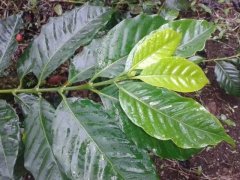
How many varieties are there in Arabica beans? are Jamaica Blue Mountains and Kona Arabian varieties?
Do you have different kinds of Arabica coffee beans? Arabica coffee beans have a large family and grow dozens of varieties. Some of these varieties are unique in specific coffee-growing areas, while others are grown in many parts of the world. Here are some of the most common types of Arabica coffee. Typica:Typica is considered to be one of the earliest varieties of coffee, and today it is still

Introduction to Costa Rican Yerzaro Coffee Flavor Manor with full grains and ideal acidity
The research center, located about 30 kilometers northeast of the Costa Rican capital San Jose, belongs to the Costa Rican Coffee Association and is a research institution for villa sarchi planting, breeding and quality inspection newly developed by Costa Rica's national coffee breeds. in addition, it also has 10 hectares of experimental plots, planting a number of excellent varieties. Coffee is the main agricultural product in Costa Rica, with an annual output of more than 2 million bags

Introduction to the producing areas of Goddess Manor Coffee with ideal acidity and unique strong flavor
The research center, located about 30 kilometers northeast of the Costa Rican capital San Jose, belongs to the Costa Rican Coffee Association and is a research institution for villa sarchi planting, breeding and quality inspection newly developed by Costa Rica's national coffee breeds. in addition, it also has 10 hectares of experimental plots, planting a number of excellent varieties. Coffee is the main agricultural product in Costa Rica, with an annual output of more than 2 million bags

A brief introduction to the History and Culture of the Origin and Development of Coffee in Diamond Mountain Manor in Costa Rica
There are eight Costa Rican producing areas, of which Tarazu, the Central Valley and the Western Valley are recognized as the three best producing areas. Las Lajas is located in the foothills of Sabanilla de Alajuela and Pos Volcano in the Central Valley. Strictly speaking, "Lajas" is actually the name of the Chakon family processing plant, and the name of the manor is Finca.

What is the method of coffee bean enzyme treatment? What difference does coffee bean sunbathing water wash honey treatment have?
Professional coffee knowledge exchange more coffee bean information please follow the coffee workshop (Wechat official account cafe_style) individual coffee (more coffee activities) has become increasingly popular in recent years, while selecting coffee beans from manors around the world, we often see water washing, sun treatment, honey treatment and so on.

Scientific research and cultivation of coffee in Costa Rica
The research center, located about 30 kilometers northeast of San Jose, the capital of Costa Rica, belongs to the Costa Rican Coffee Association and is the research institution for planting, breeding and quality inspection of Brazilian coffee fruits in Costa rica. in addition, it also has 10 hectares of experimental plots, planting a number of excellent varieties. Coffee is the main agricultural product in Costa Rica, with an annual output of more than 2 million bags